
The Role of Luck in Casino Games
When discussing the dynamics of winning at casinos, luck is often cited as the primary factor. Luck is the unpredictable force that can lead a player to an unexpected jackpot or a series of losses in a single evening. Most casino games, such as slots and roulette, are designed with a built-in house edge that can make it seem like chance is the only determinant of victory. However, luck alone cannot fully account for the outcomes experienced by players; strategic thinking and understanding the games also play vital roles, especially when considering popular betting sites australia that provide valuable insights. In essence, luck can be seen as the initial spark that ignites a player’s experience, but it often requires more than sheer chance to foster lasting success.
Different games have varying levels of reliance on luck versus skill. For instance, in games like poker, a player’s skill in reading opponents and making calculated bets can significantly influence the outcome. Conversely, in games like slots where outcomes are determined purely by random number generators, a player’s skill has no bearing on their success. This dichotomy raises an important question about how players should approach gaming decisions when luck is only part of the equation. Understanding the nuances of these games can lead to better decisions, emphasizing that while luck can create opportunities, skill and strategy can help capitalize on them.
While luck can lead to temporary wins, players often find that continuous success relies on more than just fortunate circumstances. Understanding odds, game mechanics, and personal bankroll management can greatly enhance one’s chances of winning. Therefore, luck may serve as an initial catalyst for success, but honing one’s skills can create a more sustainable path to victory in the long run. Ultimately, the interplay between luck and skill forms the foundation of a comprehensive gaming strategy that players can employ to improve their chances of winning.
The Importance of Strategy and Skill
Beyond mere luck, strategy and skill play crucial roles in achieving consistent wins at casinos. For instance, seasoned gamblers often study the rules and statistics of their favorite games, which affords them a more informed approach to betting. By understanding probabilities, players can make more informed decisions about when to bet high or when to hold back. This kind of strategic thinking can often lead to better long-term results than relying solely on chance. A well-thought-out strategy can differentiate an experienced player from a novice, showcasing how knowledge can influence outcomes significantly.
In games such as blackjack, employing strategies like card counting can significantly shift the odds in a player’s favor. This technique involves tracking which cards have already been dealt to predict the likelihood of certain card outcomes, enabling players to adjust their bets accordingly. Such strategies highlight that knowledge and preparation can better equip players to handle the unpredictabilities of luck, enabling them to navigate the gaming landscape with more confidence and finesse. Additionally, mastering basic strategies, like when to hit or stand, can further improve a player’s odds against the house.
Moreover, understanding the mechanics of various casino games helps players not only maximize their enjoyment but also minimize losses. Players who approach casino games with a clear strategy are less likely to fall prey to emotional decision-making, which is often fueled by the ebb and flow of luck. In this sense, while luck can intermittently change the course of a game, developing a solid strategy can provide a more reliable foundation for success. The balance of strategy and skill ultimately creates a more engaging and potentially profitable gaming experience for players who are willing to invest the time and effort into mastering their craft.
Psychological Factors in Gambling
The psychological aspects of gambling significantly influence outcomes and perceptions of luck in casinos. Gamblers often experience a phenomenon known as the “hot streak,” where they believe they are on a lucky run, leading them to bet more aggressively. Conversely, a “cold streak” can cause anxiety and defeatism, resulting in ill-advised choices. Understanding these psychological dynamics can be pivotal for players who want to maintain a level-headed approach and extend their playtime. Developing an awareness of one’s emotions while gambling can help mitigate the impact of these psychological highs and lows.
The concept of cognitive biases also plays a major role in gambling psychology. For example, the gambler’s fallacy is the belief that past events affect future probabilities, leading players to make erroneous choices based on previous outcomes. Recognizing these biases can empower players to think more rationally and make decisions based on statistics and sound strategy rather than emotional responses or superstitions. This self-awareness can play a crucial role in decision-making, allowing players to remain grounded amid the excitement and unpredictability of the casino environment.
Furthermore, self-awareness and emotional control can significantly enhance a player’s experience. Players who can recognize the impact of their emotions are better equipped to make decisions that align with their overall gaming strategy. By developing a strong mindset and employing techniques such as mindfulness, gamblers can navigate the unpredictable nature of casino games with a more balanced approach, ultimately leading to a more enjoyable and potentially lucrative experience. Emotional intelligence in gambling can serve as a powerful tool, helping players maintain focus and clarity even in high-pressure situations.
The House Edge and Game Selection
Understanding the house edge is crucial for any player looking to maximize their chances of winning at casinos. The house edge refers to the mathematical advantage that the casino holds over players in any given game. This percentage varies from game to game; for example, blackjack generally has a lower house edge than slot machines. By selecting games with favorable odds and lower house edges, players can significantly enhance their chances of coming out ahead. This strategic selection can dramatically influence a player’s overall experience and success rate in the casino.

Moreover, players should consider the variance of different games. High-variance games may offer larger payouts but also come with a higher risk of losing streaks, while low-variance games provide smaller, more frequent wins. Understanding one’s risk tolerance and playing style can help individuals choose games that suit their preferences, thereby maximizing enjoyment and profitability. Recognizing these differences allows players to align their strategies with their personal gaming goals, whether those goals focus on long-term profit or the thrill of high-stakes play.
The importance of proper game selection cannot be overstated. By being selective about which games to play based on personal skill level and the understanding of risks involved, players can cultivate a more successful gaming experience. When combined with a solid strategy and an awareness of the house edge, careful game selection becomes an essential component in minimizing losses and enhancing wins over time. Ultimately, making informed choices about game selection empowers players, giving them greater control over their gambling experience and outcomes.
Finding Reliable Casino Information
In an era where information is readily accessible, finding credible sources about casinos and their games is essential for players hoping to improve their chances of winning. Many websites offer resources, tips, and strategies for various casino games, making it easier for players to enhance their knowledge. However, it’s crucial to discern which sources are trustworthy, as misinformation can lead to poor decisions and significant losses. Players should look for sites with expert insights and data-backed strategies to ensure they are receiving accurate and useful information.
Additionally, reliable platforms often provide updated information on game rules, odds, and even the experiences of other players, all of which can aid in honing one’s skills. Engaging with a community of knowledgeable players can foster a deeper understanding of different strategies and techniques, which is beneficial for both newcomers and seasoned gamblers. By tapping into quality resources, players can develop their understanding of the games, refine their strategies, and ultimately improve their winning potential. This community aspect can also provide emotional support, helping players navigate the ups and downs of the gambling experience.
In conclusion, while luck may play a role in the short-term outcomes of casino games, a comprehensive understanding of strategy, psychology, game mechanics, and reliable information sources can significantly enhance a player’s likelihood of success. By approaching gambling with a balanced mindset and a wealth of knowledge, players can make informed decisions that increase their enjoyment and potential payouts. The journey through the world of casinos can be both thrilling and rewarding, but it requires a commitment to education and self-awareness to truly succeed.
Brak strategii gry
Jednym z najczęstszych błędów, jakie popełniają gracze w kasynie, jest brak przemyślanej strategii gry. Wielu nowicjuszy przychodzi do kasyna z nadzieją na szybki zysk, ale nie mają planu, jak to osiągnąć. Kluczowe jest, aby przed rozpoczęciem gry dobrze poznać zasady i mechanikę danej gry, a także ustalić, jakie są osobiste cele, w tym przemyślane wybory dotyczące polskie kasyna , które mogą wpłynąć na sukces. Nieznajomość strategii może prowadzić do przypadkowych decyzji, które zwiększają ryzyko przegranej.
W grach takich jak blackjack czy poker, strategia jest kluczowa. Gracze powinni zainwestować czas w naukę podstawowych zasad oraz sprawdzonych taktyk, które mogą zwiększyć ich szanse na wygraną. Na przykład, w blackjacku stosowanie podstawowej strategii pozwala na zmniejszenie przewagi kasyna i wydaje się być koniecznością dla każdego gracza. Strategiczne myślenie i planowanie swoich ruchów w pokerze, w oparciu o analizy przeciwników, również przyczynia się do sukcesu w tej grze.
Bez względu na to, czy jest to gra karciana, czy automaty, istnieją różne podejścia, które można zastosować. Zrozumienie ryzyka i możliwości w każdej grze to podstawa skutecznej strategii. Gracze powinni również regularnie analizować swoje wyniki i dostosowywać swoje podejście, aby uniknąć powtarzania tych samych błędów. Ustalenie realistycznych celów finansowych i czasowych oraz trzymanie się ich, może pomóc w utrzymaniu dyscypliny podczas gry.
Podstawienie emocji przed rozsądkiem
Kolejnym istotnym błędem jest pozwolenie, by emocje wpływały na podejmowane decyzje. Wiele osób grając w kasynie, szczególnie po serii strat, może stać się zdesperowanych i podejmować nieprzemyślane decyzje. To często prowadzi do jeszcze większych przegranych, ponieważ gracz staje się mniej racjonalny. Ważne jest, aby zachować spokój i podejmować decyzje na podstawie logicznych przesłanek, a nie emocjonalnych impulsów.
Emocje mogą również wpływać na wybór gier. Czasami gracze decydują się na grę w coś, co im się podoba, nawet jeśli nie mają odpowiedniej strategii ani umiejętności w tej dziedzinie. Zamiast tego, powinni skupić się na grach, w których czują się pewnie i które znają. Warto również nauczyć się rozpoznawać momenty, w których emocje mogą przeważyć nad rozsądkiem, aby uniknąć pułapek. Przykładem może być sytuacja, gdy gracz, czując frustrację, decyduje się na większe zakłady, co prowadzi do jeszcze większych strat.
Zarządzanie emocjami to kluczowy element gry w kasynie. Ustanowienie limitów na czas i pieniądze, a także regularne przerwy mogą pomóc w zachowaniu zdrowego podejścia. Gracze powinni mieć na uwadze, że kasyno to nie tylko miejsce rozrywki, ale także pole do podejmowania przemyślanych decyzji, które wpływają na ich wyniki finansowe. Wprowadzenie technik relaksacyjnych, takich jak głębokie oddychanie czy medytacja, może również pomóc w kontrolowaniu emocji podczas gry.
Niewłaściwe zarządzanie budżetem
Jednym z najbardziej powszechnych błędów wśród graczy jest brak odpowiedniego zarządzania budżetem. Niezależnie od tego, czy grają w automaty, czy stawiają na stół do pokera, gracze często gubią się w emocjach i szybko tracą kontrolę nad swoimi finansami. Ustalenie budżetu przed rozpoczęciem gry jest kluczowe, aby uniknąć nieprzyjemnych niespodzianek i potencjalnych problemów finansowych. Warto zaplanować, ile pieniędzy jest się w stanie przeznaczyć na grę i nie przekraczać tego limitu, niezależnie od okoliczności.
Przykładowo, gracze powinni określić, ile pieniędzy są w stanie przeznaczyć na grę i konsekwentnie trzymać się tego limitu. Wiele osób decyduje się na przekroczenie swojego budżetu w nadziei na odzyskanie strat, co prowadzi do spirali problemów. Ważne jest, aby wiedzieć, kiedy przerwać grę i nie pozwalać na to, by chęć wygrania skłaniała do niezdrowego podchodzenia do zakładów. Ustalanie limitów czasowych na grę może również pomóc w lepszym zarządzaniu budżetem.
Oprócz ustalenia budżetu, gracze powinni także rozważyć wykorzystanie narzędzi do śledzenia wydatków. Wiele kasyn online oferuje funkcje zarządzania kontem, które mogą pomóc w kontrolowaniu wydatków. Dobrym pomysłem jest również regularne przeglądanie swoich postępów, aby lepiej zrozumieć własne nawyki i dostosować podejście do gry. Posiadanie dziennika wydatków może być pomocne w identyfikacji wzorców, które prowadzą do niezdrowych decyzji finansowych.
Brak edukacji o grach
Nieznajomość zasad gier to kolejny poważny błąd, który często popełniają gracze. Wiele osób podejmuje się gry w automaty czy gry stołowe, nie zdając sobie sprawy z podstawowych zasad i strategii. To prowadzi do sytuacji, w której gracze nie są w stanie świadomie podejmować decyzji, co znacznie obniża ich szanse na wygraną. Edukacja o grach to kluczowy krok do zostania lepszym graczem. Znalezienie odpowiednich materiałów edukacyjnych, takich jak książki, artykuły czy filmy, może znacznie zwiększyć wiedzę gracza na temat gier.

Warto inwestować czas w naukę zasad i strategii przed rozpoczęciem gry. Istnieje wiele źródeł, które oferują darmowe materiały edukacyjne, tutoriale i symulacje, które mogą pomóc w zdobywaniu wiedzy. Gracze powinni też śledzić nowinki dotyczące gier, aby być na bieżąco z nowymi technikami oraz strategiami, które mogą być skuteczne. Uczestnictwo w kursach online lub warsztatach dotyczących strategii gier hazardowych może również przynieść korzyści.
W gry w kasynie warto wchodzić z odpowiednią wiedzą i doświadczeniem. Zrozumienie nie tylko zasad, ale również psychologii gier, może znacznie wpłynąć na wyniki. Gracze, którzy dobrze znają zasady i umieją przeanalizować ruchy przeciwników, mają znacznie większe szanse na sukces w dłuższym okresie czasu. Regularne ćwiczenie swoich umiejętności w grach online lub przez symulacje może pomóc w doskonaleniu strategii i podejmowaniu lepszych decyzji podczas rzeczywistej gry.
Wsparcie i zasoby strony internetowej
Jeżeli chcesz uniknąć najczęstszych błędów w kasynie, warto zainwestować w edukację i dostęp do zasobów, które mogą pomóc w rozwoju umiejętności. Strony internetowe oferujące porady, strategie i recenzje gier to doskonałe źródło wiedzy, które może okazać się nieocenione podczas stawiania pierwszych kroków w świecie gier hazardowych. Regularne korzystanie z takich zasobów pozwala na zdobycie nie tylko wiedzy teoretycznej, ale również praktycznych wskazówek. Warto również korzystać z forum internetowych, gdzie można wymieniać się doświadczeniami z innymi graczami.
Dodatkowo, warto zwrócić uwagę na fora i społeczności graczy, które mogą stanowić wsparcie w nauce i wymianie doświadczeń. Udzielanie się w takich miejscach pozwala na zdobycie praktycznych wskazówek, a także uczenie się na błędach innych graczy. To również świetna okazja, aby nawiązać kontakty z osobami, które mają podobne zainteresowania i cele. Wspólne omawianie strategii oraz dzielenie się sukcesami i porażkami może być niezwykle motywujące.
Podsumowując, unikanie powszechnych błędów graczy w kasynie wymaga nie tylko wiedzy, ale także rozwagi i odpowiedniego podejścia do gry. Wsparcie ze strony dostępnych zasobów online, a także wymiana doświadczeń z innymi graczami, mogą znacznie zwiększyć szanse na sukces i przyjemność z gry. Niezależnie od tego, czy jesteś nowicjuszem, czy doświadczonym graczem, warto stale rozwijać swoje umiejętności i wiedzę, by cieszyć się grą w kasynie w sposób odpowiedzialny i świadomy. Pamiętaj, że gra w kasynie powinna być przede wszystkim formą rozrywki, a nie sposobem na zarabianie pieniędzy.
Nadmierna pewność siebie
Nadmierna pewność siebie to jeden z najczęstszych błędów popełnianych przez graczy w pokerze. W miarę zdobywania doświadczenia, niektórzy gracze zaczynają myśleć, że są nieomylni, co prowadzi do podejmowania ryzykownych decyzji. Takie zachowanie może skutkować utratą dużych sum pieniędzy, zwłaszcza gdy nie biorą pod uwagę strategii przeciwników czy dynamiki gry. Czasami warto również zapoznać się z innymi formami hazardu, takimi jak kasyna online , które mogą oferować różne podejścia do ryzyka. W pokerze istotne jest, aby pozostać pokornym i regularnie oceniać swoją grę, niezależnie od dotychczasowych sukcesów.
Kiedy gracze są zbyt pewni swoich umiejętności, często ignorują fundamentalne zasady gry. Na przykład, mogą zbyt wcześnie obstawiać lub podnosić stawki, nie mając solidnych kart. W takich sytuacjach warto pamiętać, że poker to gra nie tylko o kartach, ale także o ludziach. Nauka analizy zachowań przeciwników może pomóc w unikaniu błędów wynikających z nadmiernej pewności siebie oraz w lepszym dostosowaniu strategii do panującej sytuacji przy stole.
Dodatkowo, nadmierna pewność siebie często prowadzi do braku dyscypliny. Gracze mogą wchodzić w niekorzystne układy, które w normalnych okolicznościach by odrzucili. Zachowanie cierpliwości i umiejętność wycofania się z gry, gdy sytuacja jest niekorzystna, są kluczowe dla długofalowego sukcesu w pokerze. Warto zainwestować czas w samorefleksję, aby zrozumieć swoje słabości i pracować nad ich poprawą.
Brak strategii
Brak strategii to inny powszechny błąd, który może drastycznie wpłynąć na wyniki graczy. Bez jasno określonego planu działania, gracze często podejmują decyzje emocjonalne, co prowadzi do chaotycznej gry. Skuteczna strategia powinna obejmować zarówno ogólne zasady, jak i konkretne podejścia do różnych sytuacji w trakcie rozgrywki. Kluczowe jest zrozumienie, kiedy warto grać agresywnie, a kiedy lepiej odpuścić, aby uniknąć strat.
Ważnym elementem skutecznej strategii jest również umiejętność dostosowywania się do stylu gry przeciwników. Gracze powinni analizować, czy ich rywale są bardziej konserwatywni, czy agresywni, i odpowiednio modyfikować swoje podejście. Na przykład, jeśli przeciwnik często blefuje, można pozwolić sobie na bardziej ryzykowne zagrania. Zrozumienie dynamiki stołu, jak również umiejętność przewidywania ruchów przeciwników, mogą być kluczowe dla odniesienia sukcesu w pokerze.
Należy również pamiętać, że strategia nie jest jednorazowym zbiorem zasad, ale procesem ciągłego doskonalenia. Gracze powinni regularnie analizować swoje rozgrywki, uczyć się na błędach i dostosowywać swoje podejście w oparciu o nowe doświadczenia. W ten sposób można stopniowo budować swoją grę i minimalizować ryzyko popełnienia błędów. Uczestnictwo w turniejach oraz gra w różnych formatach pokera również może przyczynić się do rozwoju umiejętności strategicznych.
Emocjonalne podejmowanie decyzji
Emocjonalne podejmowanie decyzji jest jednym z najtrudniejszych aspektów gry w pokera. W sytuacjach stresowych, gracze mogą podejmować impulsywne decyzje, które są sprzeczne z ich obowiązującą strategią. Złości, frustracje lub nawet ekscytacja mogą prowadzić do nieadekwatnych reakcji, co często kończy się przegraną. Ważne jest znalezienie sposobów na kontrolę emocji, aby można było podejmować racjonalne decyzje i unikać błędów wynikających z chwilowych impulsów.
Niektóre techniki, takie jak techniki oddechowe czy medytacja, mogą pomóc graczom w utrzymaniu spokoju i koncentracji podczas gry. Ustalenie limitów stawki i czasu gry to również kluczowe elementy, które mogą zapobiec sytuacjom, które mogą wywołać silne emocje. Granie w pokerze z chłodną głową nie tylko poprawia możliwości gry, ale także sprawia, że sam proces staje się bardziej przyjemny, a gracze czują się bardziej pewni siebie.
Warto też pamiętać o sile analizy po każdej sesji. Przeglądanie swoich decyzji oraz związanych z nimi emocji może pomóc w lepszym zrozumieniu, jak emocje wpływają na grę. W dłuższym okresie, umiejętność zarządzania emocjami w pokerze może znacząco wpłynąć na sukces i zadowolenie z gry. Dobrze jest również rozważyć prowadzenie dziennika, w którym można zapisywać swoje myśli i uczucia związane z grą, co może ułatwić kontrolowanie emocji w przyszłości.
Niedostateczna analiza przeciwników
Niedostateczna analiza przeciwników to błąd, który mogą popełniać nawet doświadczeni gracze. Ignorowanie strategii i stylu gry rywali może prowadzić do nieoptymalnych decyzji. Obserwacja ruchów przeciwników, ich zachowań przy stole oraz sposobu, w jaki obstawiają, może dostarczyć cennych wskazówek do podjęcia lepszej decyzji. Wiedza o tym, kto jest skłonny do blefu, a kto gra konserwatywnie, może znacznie zwiększyć szanse na wygraną.

Ważne jest, aby gracze rozwijali umiejętności obserwacji i analizy. Można to osiągnąć poprzez aktywne śledzenie każdej gry, zwracanie uwagi na styl gry przeciwników oraz notowanie ich zachowań. Dzięki temu, w późniejszych partiach, będziemy mogli lepiej przewidywać, co przeciwnik może zagrać, a tym samym podejmować bardziej przemyślane decyzje. Warto także korzystać z dostępnych narzędzi statystycznych, które mogą pomóc w analizie zachowań rywali.
Warto również korzystać z dostępnych źródeł wiedzy na temat strategii analizy przeciwników. Istnieje wiele książek, filmów i forów internetowych, które oferują cenne porady dotyczące tego, jak zdobywać informacje o rywalach. Umiejętność dostosowania się do przeciwników jest kluczem do sukcesu w pokerze i wymaga ciągłej pracy oraz analizy. Regularne uczestnictwo w turniejach oraz gra z różnymi przeciwnikami również wpływa na rozwój tych umiejętności.
Dlaczego warto rozwijać swoje umiejętności w pokera?
Rozwój umiejętności w pokerze to nie tylko kwestia chęci wygranej, ale również doskonała forma zabawy oraz intelektualnej stymulacji. Dostęp do różnorodnych źródeł wiedzy daje graczom szansę na ciągłe doskonalenie się. Gry online, fora dyskusyjne oraz lokalne turnieje oferują niezliczone możliwości do praktykowania i rozwijania swoich umiejętności. Dzięki temu, zarówno nowicjusze, jak i doświadczeni gracze mogą czerpać radość z rywalizacji i nauki, co jest kluczowe dla rozwoju w tej grze.
Regularne śledzenie własnych postępów oraz nauka z analiz swoich rozgrywek mogą przynieść wymierne korzyści. Dobre przygotowanie i świadomość własnych błędów to klucz do stawania się lepszym graczem. Warto również korzystać z doświadczeń innych graczy oraz uczestniczyć w społecznościach pokerowych, aby poszerzać swoje horyzonty i wzbogacać swój styl gry o nowe elementy. Współpraca z innymi graczami może również przyspieszyć proces nauki.
Na koniec warto pamiętać o znaczeniu odpowiednich platform do nauki. Wiele stron internetowych oferuje porady, strategie oraz możliwości gry na różnych poziomach zaawansowania. Dzięki nim można łatwo wprowadzić się w świat pokera i zyskać szeroką wiedzę na temat tej pasjonującej gry. Wybierając odpowiednią platformę oraz podejmując decyzję o rozwoju swoich umiejętności, można nie tylko poprawić swoje wyniki, ale także w pełni cieszyć się grą, co jest celem każdego gracza.
The Allure of Luck and Chance
The psychology behind gambling often begins with the fundamental human fascination with luck and chance. This allure captivates individuals, drawing them into environments where the outcome is uncertain. People are naturally inclined to take risks, and this behavior is exacerbated in a casino setting, where the atmosphere is charged with excitement and anticipation. The unpredictable nature of games creates an adrenaline rush, compelling players to engage repeatedly, hoping for that elusive big win. Additionally, many enthusiasts enjoy playing online pokies real money as part of their experience, which heightens the thrill of uncertainty and can lead to both enjoyment and peril.
Moreover, the very design of casinos plays a crucial role in enhancing this attraction. The bright lights, engaging sounds, and playful ambiance are meticulously crafted to evoke thrill and stimulate the senses. By creating an immersive experience, casinos effectively promote prolonged engagement, allowing players to forget about the outside world. The idea of winning, however fleeting, keeps players betting, further reinforcing their behaviors and the excitement associated with the potential rewards. This sensory overload is designed to keep players in a state of heightened anticipation, which can lead to continuous play.
Additionally, the psychological concept of “near-misses” fuels this risk-taking behavior. When a player almost wins—such as landing two out of three winning symbols—they experience a spike in motivation, persuading them to keep playing in hopes of achieving that ultimate victory. This phenomenon highlights the complex interplay of hope, excitement, and the quest for validation, leading to a persistent cycle of play that can be hard to break. The allure of a near-miss can propel players into a mindset where the next spin or roll feels like it could be the moment they change their fortunes.
The Role of Emotional and Cognitive Biases
Gambling behavior is significantly influenced by various emotional and cognitive biases. One of the key biases is the illusion of control, where players believe they can influence the outcome of random events through their actions. For instance, a player may feel that a specific strategy or a sequence of bets can sway the odds in their favor, despite games like slots or roulette being inherently based on chance. This belief not only encourages continued play but also fosters a sense of empowerment, even amidst the inherent unpredictability of gambling. The cognitive dissonance between perceived control and actual randomness can create a compelling narrative that keeps players engaged.
Emotions play a considerable role in gambling as well. Individuals may gamble to escape from stress or seek pleasure, using the thrill of the game as a coping mechanism. This emotional engagement can lead to impulsive decisions, often overshadowing rational judgment. During moments of heightened emotion—be it excitement from a near-win or disappointment from a loss—individuals may become less aware of their spending or the potential negative consequences of their gambling, leading to a cycle of chasing losses. The emotional highs and lows associated with gambling can create a tumultuous experience that many find addictive.

Furthermore, the impact of social influences cannot be overlooked. Many people gamble in groups or communities, where peers may encourage risky behavior. Social validation can amplify the desire to gamble, making individuals feel as though they belong or are part of a larger dynamic. This social component not only enhances the enjoyment of gambling but also serves to reinforce ongoing gambling habits, as individuals engage in this collective risk-taking experience together. The camaraderie developed in these social settings can make it even more challenging for individuals to recognize when their gambling behavior becomes excessive.
The Impact of Reward Systems and Conditioning
Cognitive conditioning plays a fundamental role in the psychology of gambling. The reward systems at play, both in terms of immediate payouts and the potential for larger jackpots, are designed to create a feedback loop that encourages repetitive behavior. Each time a player wins, even if it’s a small amount, their brain releases dopamine—a chemical associated with pleasure. This reward reinforces the behavior and makes the act of gambling more appealing, regardless of the long-term statistical odds stacked against them. This conditioning can lead to a habitual cycle, where the anticipation of reward becomes the primary motivator for the player.
In casinos, “losses disguised as wins” (LDWs) are a clever tactic that exploits this reward system. When a player receives a payout that is less than their initial bet—like winning back a portion of their wager—they may perceive it as a victory, sparking excitement. This branding of smaller payouts as wins can mislead players into believing they’re successful, further conditioning them to engage with the games. Such techniques are integral to the profitability of casinos, as they encourage prolonged participation despite actual losses. This manipulation of perception can create a distorted sense of reality around gambling success.
Moreover, the habitual nature of gambling can lead to the development of gambling disorders. The powerful combination of conditioned responses and the thrill of reward can morph into addictive behaviors, where players continue to chase that initial high. Understanding these mechanisms is crucial for addressing responsible gambling measures and supporting those who struggle with problem gambling. Recognizing the psychological underpinnings can be the first step towards developing healthier habits around wagering. Awareness of these patterns can empower individuals to make more informed decisions regarding their gambling activities.
The Effects of Environment and Design on Gambling Behavior
The physical layout and design of a casino significantly influence gambling behavior. Casinos are often strategically planned to enhance the flow of traffic, ensuring that visitors are continually drawn to the gaming areas. The absence of clocks and the use of ambient lighting create a sense of timelessness, making it easy for players to lose track of time while engaging with their favorite games. This intentional design leads to extended play sessions, as patrons become engrossed in the experience, often at the cost of their awareness of time and money spent. Such an environment promotes a sense of immersion that can overshadow rational decision-making.
Environmental cues, including the presence of other players and the sounds associated with winning, further enhance the psychological impact of the gambling environment. The sounds of rolling dice, spinning slots, and cheering players create an exhilarating atmosphere that heightens excitement and encourages players to stay and play longer. These positive reinforcements make individuals feel more inclined to gamble, as they associate the enjoyable sensations with the act of wagering. This feedback loop can lead to an almost hypnotic state, where players feel compelled to continue gambling to maintain that emotional high.
Additionally, the sensory experience in a casino is engineered to evoke specific emotions that can trigger gambling behavior. From upbeat music to enticing smells of food and drink, every element is designed to stimulate senses and keep players engaged. This intricate orchestration creates an environment that reinforces gambling as an enjoyable and rewarding activity, making it difficult for players to walk away, even after significant losses. The carefully crafted atmosphere not only promotes play but also serves to create a sense of belonging and community among players.
Understanding Responsible Gambling and Resources
As awareness of the psychological dynamics in gambling has grown, responsible gambling initiatives have emerged to support those affected by gambling addiction. Educational resources, hotlines, and self-exclusion programs are in place to help individuals identify and manage their gambling behaviors. Promoting understanding about the risks associated with gambling is essential in helping individuals make informed choices regarding their participation in games of chance. This proactive approach seeks to empower players by providing them with the tools necessary to engage responsibly.
Casinos themselves have begun to take more responsibility by implementing measures such as providing information about the odds of winning and encouraging breaks in play. Many establishments now incorporate responsible gambling signage, creating an environment where players are continuously reminded of the potential consequences of excessive gambling. These steps signify a crucial shift towards prioritizing player welfare and promoting a more sustainable gambling culture. The acknowledgment of responsible gambling practices can help reshape perceptions and behaviors surrounding gambling.
In addition to institutional efforts, community support systems are invaluable for those struggling with gambling issues. Peer support groups and therapy options provide avenues for individuals to discuss their experiences and share coping strategies. Building awareness around gambling addiction can help destigmatize these conversations, enabling players to seek help without fear of judgment. Through a collective understanding of the psychology involved, individuals can navigate their gambling experiences more safely and responsibly. This holistic approach underscores the importance of community in fostering healthier gambling habits.
The Allure of Risk and Reward
The psychology behind gambling in casinos is deeply intertwined with the concepts of risk and reward. Many individuals are drawn to the thrill of potentially winning big, which often outweighs the fear of loss. This phenomenon can be explained through the lens of behavioral economics, where the allure of a substantial reward amplifies a person’s willingness to take risks, especially when considering the best betting sites australia that offer enticing promotions. As the brain releases dopamine, associated with pleasure and reward, the act of gambling becomes more than just a game of chance; it evolves into an emotionally charged experience filled with highs and lows.
Moreover, the anticipation of a possible win can heighten the excitement of gambling. This anticipation is often more compelling than the outcome itself. For instance, when players spin the reels of a slot machine, the moments leading up to a potential win can induce a euphoric state, creating a sense of hope and excitement. This cycle reinforces the behavior, making it difficult to resist the temptation to gamble again, even in the face of losses. The psychological thrill of “what if” can be more intoxicating than the actual winnings, leading to repeated visits to the casino.
Additionally, the social aspect of gambling contributes significantly to its appeal. Casinos are designed to encourage interaction, with vibrant atmospheres filled with laughter, competition, and camaraderie. This communal environment amplifies the excitement, transforming gambling into a social event rather than just a personal activity. The combination of risk, reward, and social engagement creates a potent mix that motivates individuals to gamble more frequently and with greater enthusiasm, often leading to a shared experience among friends and strangers alike.
The Role of Cognitive Biases
Cognitive biases play a crucial role in the psychology of gambling, influencing how individuals perceive their chances of winning. One common bias is the gambler’s fallacy, where players mistakenly believe that past events affect future outcomes. For example, if a player has experienced a losing streak, they may think that a win is “due” to happen, prompting them to wager more aggressively. This irrational thinking can lead to significant losses, as players chase their perceived fortunes without recognizing the independent nature of each game, ultimately leading to a cycle of increased betting and frustration.
Another prevalent cognitive bias is the illusion of control, which occurs when gamblers believe they can influence outcomes through their actions, despite the game being purely chance-based. This phenomenon can be particularly observed in games like dice or roulette, where players might adopt specific strategies or rituals, believing they can sway the odds in their favor. Such beliefs can lead to increased gambling behavior as players feel empowered by their perceived abilities, often resulting in persistent losses as their strategies fail to yield any real impact on the outcome of the games.

Lastly, the concept of the sunk cost fallacy significantly influences gambling behavior. Once players have invested time or money, they may continue to gamble in hopes of recouping their losses, even when the rational choice would be to walk away. This creates a vicious cycle where the desire to overturn past losses leads to further financial strain and emotional distress. The sunk cost fallacy illustrates how deeply psychological factors can impair decision-making in the context of gambling, causing players to chase losses rather than make clear-headed choices.
The Impact of Environment on Gambling Behavior
The physical environment of a casino is meticulously designed to enhance the gambling experience and influence player behavior. Factors such as lighting, sound, and layout are deliberately crafted to create an atmosphere that encourages prolonged engagement. Bright lights and stimulating sounds from slot machines evoke excitement, while the layout of the casino aims to keep players disoriented and engaged, making it easier for them to lose track of time and money. The sensory overload can trap players in a state of excitement and anticipation, further pulling them into a cycle of gambling.
Furthermore, the use of free drinks and complimentary services serves to lower inhibitions and prolong gambling sessions. By providing these perks, casinos create an environment where individuals feel more relaxed and willing to spend. This strategy exploits the psychological state of players, as the combination of alcohol and gambling often leads to increased risk-taking behaviors. The environment, therefore, not only attracts players but also encourages them to gamble more than they originally intended, significantly impacting their overall behavior and decision-making.
The concept of loss aversion also plays a role in how the environment affects gambling behavior. Players are generally more sensitive to losses than to equivalent gains, leading them to stay in the game longer to avoid realizing their losses. This sensitivity can result in players becoming entrenched in a cycle of play, where the fear of loss outweighs the prospect of walking away. The casino environment is crucial in not only attracting players but also in encouraging them to gamble beyond their limits, often without realizing the financial and emotional consequences of their actions.
The Emotional Rollercoaster of Gambling
The gambling experience is often likened to an emotional rollercoaster, characterized by intense highs and lows that can significantly affect a player’s mental state. Winning can generate feelings of exhilaration and euphoria, creating a sense of accomplishment. However, these positive feelings are often followed by periods of disappointment and frustration during losses. This emotional variability can make gambling addictive, as players seek to replicate the euphoria of a win, often disregarding the potential emotional toll of ongoing play. The desire for that next win can overshadow rational thinking, leading to continued engagement even when faced with adversity.
Moreover, the experience of ‘near misses’—where players come close to winning but ultimately do not—can further intensify the gambling experience. These near misses are interpreted as signs of skill or favorable luck, encouraging players to continue betting in hopes of achieving a win. This emotional push can cloud judgment, as players may find themselves caught in a cycle of high expectations followed by disappointment when reality doesn’t meet their hopes. The psychological impact of these near misses can create a false sense of progress and encourage continued play.
Additionally, the relationship between gambling and mental health cannot be overlooked. Emotional distress caused by losses can lead to further gambling as individuals seek an escape or a means to cope with negative feelings. The interplay between gambling behavior and mental health conditions, such as anxiety and depression, is complex. While gambling may initially seem like a distraction, it can ultimately exacerbate existing emotional challenges. Understanding this dynamic is crucial for individuals who may be struggling with gambling and its emotional ramifications.
Understanding the Website and Its Services
This website serves as a valuable resource for individuals seeking to understand the psychology of gambling within the context of casinos. It provides insights into the various psychological factors that influence gambling behavior, emphasizing the need for awareness and education. By exploring these concepts, visitors can gain a deeper understanding of why people gamble and the underlying motivations that drive this often-complicated activity. The website aims to dispel myths and misconceptions surrounding gambling, providing a more nuanced view of the emotional and psychological aspects involved.
Moreover, the website promotes responsible gambling practices by offering guidance on recognizing signs of problem gambling and encouraging healthy habits. It emphasizes the importance of setting limits and understanding one’s relationship with gambling, providing tools and resources for individuals to navigate their experiences more informatively. Through educational content and supportive resources, the website aims to empower individuals to make informed decisions regarding their gambling behavior.
Ultimately, the goal of the website is to foster a community of awareness and support, helping individuals and their loved ones understand the many facets of gambling psychology. By highlighting the intricate dynamics at play, the site encourages responsible engagement and provides a platform for dialogue about the impact of gambling on individuals and society as a whole. In a world where gambling is increasingly popular, promoting understanding and responsible practices is essential for ensuring a healthy approach to this activity.
As the online gaming landscape continues to evolve, players in Canada are seeking new casinos that not only offer an exciting gaming experience but also prioritize the safety and security of their funds. In 2026, new online casinos in Canada are emerging with a focus on providing safe deposits and withdrawals, ensuring a seamless experience for players who want to enjoy the best online casino canada real money options available. This article delves into essential considerations for safe transactions and highlights the benefits of engaging with these innovative platforms.
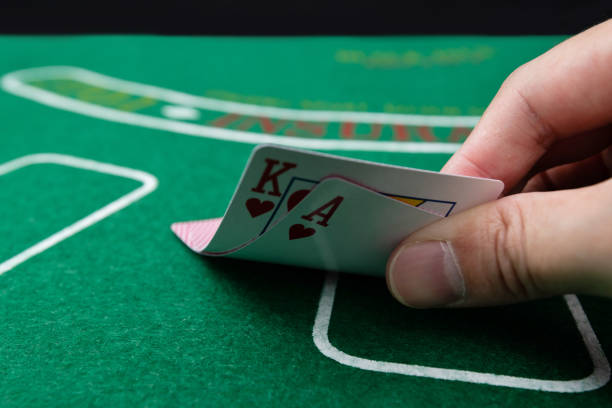
What to check before starting with New Online Casino Canada 2026
Before diving into the world of new online casinos in Canada, it’s crucial to ensure that the platform you choose prioritizes the safety of your financial transactions. Key factors to consider include the licensing and regulation of the casino, the variety of payment options offered, and the transparency of withdrawal processes. Additionally, pay attention to welcome bonuses and promotions that can enhance your gaming experience. By thoroughly assessing these elements, you can make informed decisions that contribute to a safe and enjoyable gaming adventure.
Exploring new online casinos allows players to find exciting game selections along with competitive bonuses. Knowledge of a casino’s trustworthiness can lead to a more rewarding experience. As we move forward, it’s essential to understand the best practices for safe deposits and withdrawals.
How to get started with safe deposits and withdrawals
Engaging with a new online casino and ensuring safe transactions can be straightforward if you follow these steps:
- Select a Reputable Casino: Research casinos that are licensed and well-reviewed by other players.
- Create an Account: Register by providing accurate personal information to ensure smooth transactions.
- Verify Your Details: Complete the verification process to enhance security for both deposits and withdrawals.
- Choose a Payment Method: Opt for secure payment options like Interac, Visa, or e-wallets for added protection.
- Make a Deposit: Fund your account using the selected method, ensuring the process is secure and straightforward.
- Withdraw Your Winnings: Follow the specific withdrawal process set by the casino, noting any processing times.
- Choosing a reputable casino mitigates risks associated with fraudulent platforms.
- Verification enhances security, ensuring only you can access your funds.
- Using secure payment methods protects your financial information.
Practical aspects of deposits and withdrawals at new online casinos
New online casinos in Canada are increasingly adopting advanced security measures to protect player transactions. Typically, using well-known payment methods, such as Interac, Visa, and e-wallets like PayPal or Skrill, ensures that your financial details remain encrypted and secure. The average withdrawal time for cards is usually between 1 to 3 business days, while e-wallets often process withdrawals in under 24 hours. This rapid access to your funds can enhance your gaming experience by allowing you to enjoy your winnings sooner.
- Many new online casinos offer generous welcome bonuses, such as 100% up to $1,800 and 300 free spins, providing players with extra value.
- Fast payout options available at reputable casinos promote trust and security.
- Review the terms and conditions for any promotions to avoid misunderstandings during withdrawals.
Understanding these practical elements helps players feel more confident when navigating the online casino landscape. With enhanced security protocols and user-friendly payment options, players can focus on enjoying their gaming experience without unnecessary stress.
Key benefits of using new online casinos in Canada
Choosing new online casinos in 2026 offers players several compelling advantages. These platforms are designed to be user-friendly and focus on delivering a top-notch gaming experience, all while maintaining the security of deposits and withdrawals. Whether you are a seasoned player or a newcomer, these casinos cater to various preferences and gaming styles. Additionally, their competitive welcome bonuses can provide significant value and incentives for players to explore their offerings.
- Innovative game selections ensure a fresh and exciting gaming experience.
- New casinos often have streamlined interfaces for easier navigation.
- Generous bonuses encourage players to try new games and features.
- Enhanced payment options improve the efficiency of deposits and withdrawals.
Taking advantage of these benefits can lead to not just a thrilling gaming experience, but also peace of mind when it comes to managing your finances at the casino.
Trust and security at new online casinos
Trust and security are paramount when choosing a new online casino. Licensed casinos must comply with strict regulations to operate legally, which helps ensure that players’ funds and personal information are safe from fraud. Many casinos employ advanced encryption technologies to secure players’ data, protecting it from unauthorized access. Additionally, reputable casinos conduct regular audits and offer clear terms of service, allowing players to understand their rights and obligations fully.
By verifying a casino’s licenses and reading player reviews, you can gauge the overall trustworthiness of the platform. This diligence pays off by ensuring that your gaming experience is not only enjoyable but also secure and free from unnecessary risks.

Why choose new online casinos in Canada in 2026
As the online gambling industry progresses, new online casinos in Canada are paving the way for a more secure and user-friendly experience. With an emphasis on safe deposits and withdrawals, players can engage in their favorite games with confidence. The combination of generous welcome bonuses and quick payouts enhances the gaming experience, providing players with additional incentives to choose these platforms.
For those looking to explore new options in the online casino landscape, consider the benefits of current offerings. By selecting a reputable new casino, you’re not just playing for entertainment; you’re investing in a safe and reliable gaming environment.
